
PICKUP まちやどピックアップ
他郷阿部家
島根県石見銀山・大森町
- 眺望がきれい
- 山のまち
- 郊外
- 歴史的街並
- 文化財級の建物
- 体験
- 産業遺産
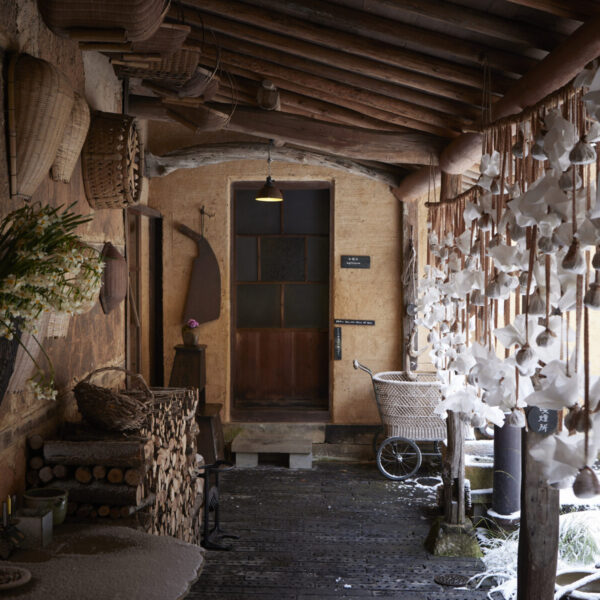
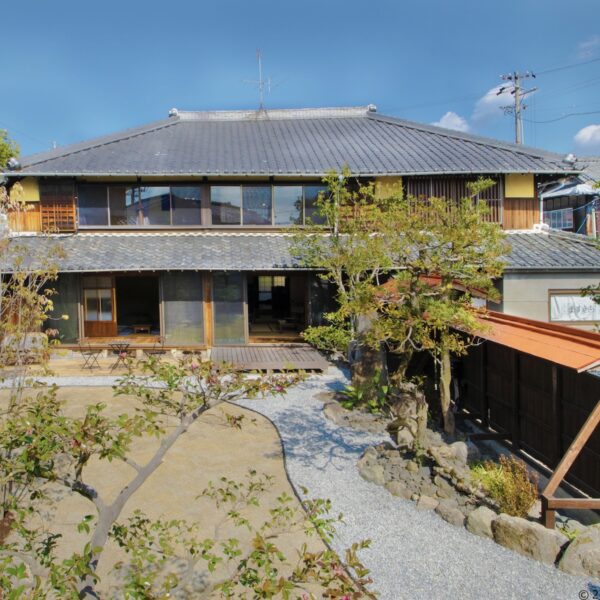
他郷阿部家は、1789年に建てられた地役人・阿部家の武家屋敷を、松場登美が10年以上の歳月をかけて暮らしながら繕い、蘇らせた宿です。旅人同士が同じ食卓を囲めば、楽しい会話もはずみます。
他郷阿部家SHIMANE
Takyo-Abeke is an inn where Tomi Matsuba lived for over a decade while carefully restoring and reviving the Abe family's samurai residence, which was originally built in 1789 for the local magistrate. When fellow travellers gather around the same table, lively conversation naturally ensues.
丸亀ゲストハウス BABANOBA
香川県丸亀
- 郊外
- 市場・商店街
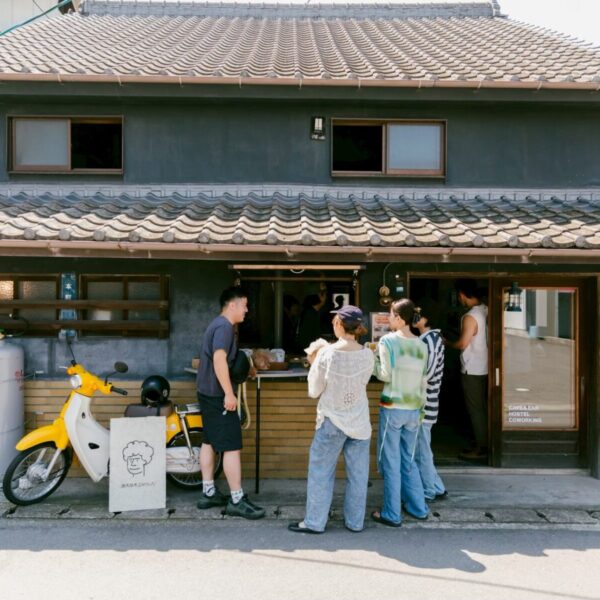
香川・丸亀にある、地域の日常と旅人がゆるやかに交わるゲストハウス。人や企画が自然と集まる余白のある場所。
BABANOBA Marugame guesthouseKAGAWA
A guesthouse in Marugame, Kagawa, where local daily life and travelers gently intersect. A space with room for people, ideas, and moments to naturally gather.
FUJIYA HOSTEL
鹿児島県甑島
- 眺望がきれい
- 海のまち
- 歴史的街並
- 体験
- 島
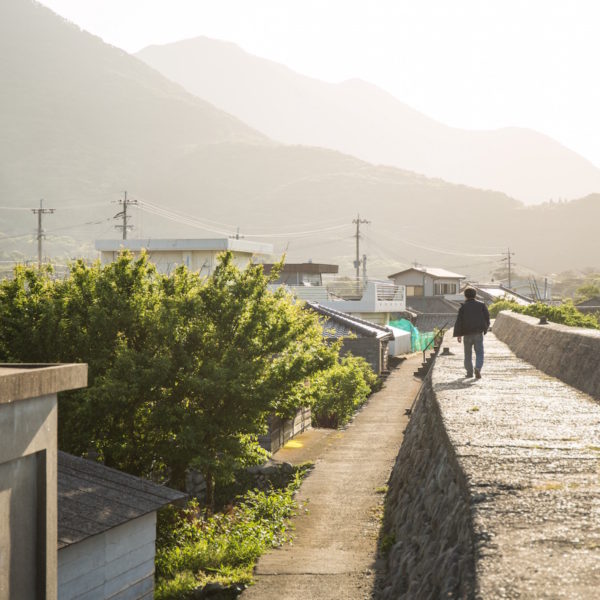
鹿児島県本土より西へ沖合約40kmの東シナ海に浮かぶ、甑島列島[こしきしま]。その最北端の上甑島にある人口1,000人の小さな村にFUJIYA HOSTELはあります。
FUJIYA HOSTELKAGOSHIMA
guest house MARUYA
静岡県熱海市
- 温泉
- 海のまち
- 山のまち
- 市場・商店街
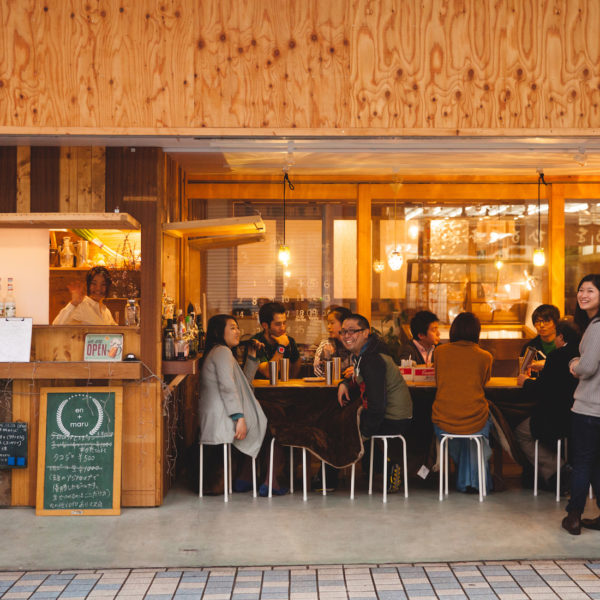
観光と暮らしが混ざりあった街、熱海。旅館ホテルが建ち並ぶ観光地として有名な熱海も、街なかには下町のようなコミュニティが深く息づいています。昭和のまま時が止まったような街並みの中に、路地裏に佇む喫茶店やスナック。地元の人もはしごして飲み歩くような街なかが熱海には残っています。
guest house MARUYASHIZUOKA
ますきち -宿泊・喫茶・土産・案内-
愛知県 瀬戸
- 山のまち
- 郊外
- 市場・商店街
- 歴史的街並
- 文化財級の建物
- 体験
- 産業遺産
「せともの」という言葉が生まれたまち、瀬戸。 1000年以上やきものを作り続けている産地です。 長い歴史のものづくりの土台があって、 やきもの関係者、アーティスト、さらには、個性豊かな飲食店のみなさんが集まっています。 ひと、もの、場所の発掘に楽しみを見出し、 リピートしてくださる方が多いまちです。 ますきちは、瀬戸の玄関口をめざし、 みなさまをお待ちしています。
MasukichiAICHI
Seto is the town where the word "setomono" was born. It is a production area that has been making pottery for over 1000 years. It has a long history of craftsmanship, and people involved in pottery, artists, and even unique restaurants gather here. It's a town where many people find joy in discovering people, things, and places and come back to visit. Masukichi awaits you, aiming to be the gateway to Seto.
ちゃぶだい Guesthouse,Cafe&Bar
埼玉県 川越
- 都市
- 市場・商店街
- 歴史的街並
- 文化財級の建物
- 体験
- 銭湯
- 城下町
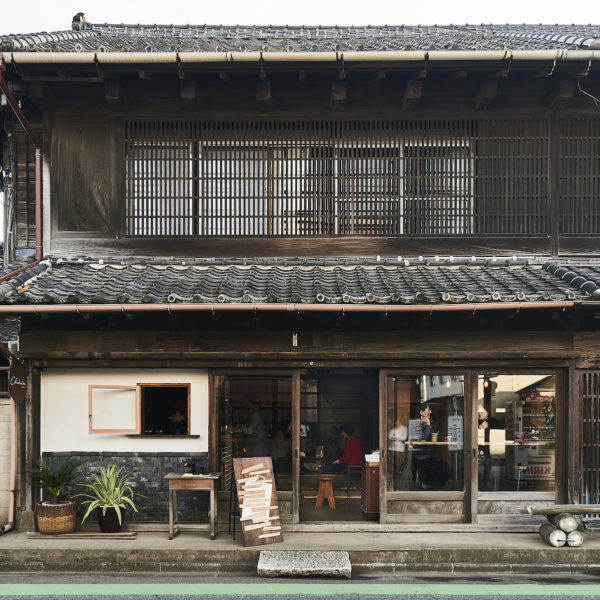
小江戸と称される蔵造りの古き良き街並みと、新しいものが入り混じる川越。 昼間は多くの観光客で溢れる街ですが、朝晩は静かな空間と、凛とした空気を味わうことが出来ます。 ちゃぶだいでゆっくりしながら街を堪能して下さい。
Chabudai Guesthouse,Cafe&BarSAITAMA
HOUSEHOLD
富山県氷見
- 温泉
- 眺望がきれい
- 海のまち
- 郊外
- 市場・商店街
- 歴史的街並
- 体験
- 銭湯
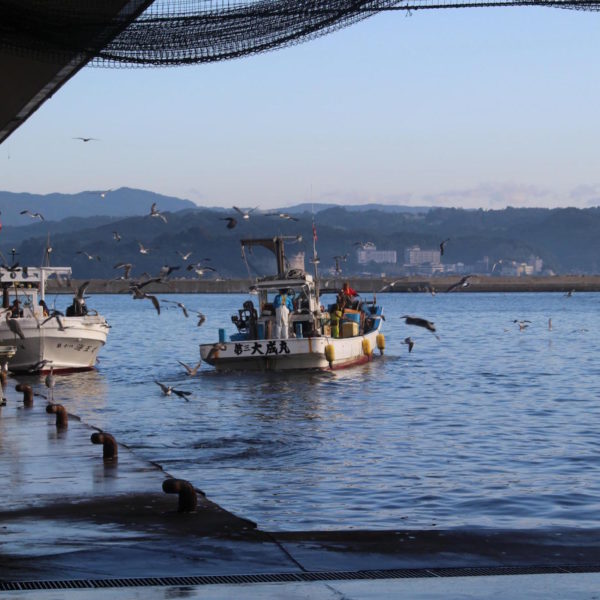
”正面玄関”の観光ではなく、”勝手口”から始まる旅 富山県氷見市は能登半島のつけ根東側に位置する日本海側屈指の漁場と豊かな里山をもつ町。 HOUSEHOLDは料理を通してまちを楽しむ海辺の小さな宿です。
HOUSEHOLDTOYAMA
Open the door to our kitchen in Himi town. Himi is famous for its amazing port and fresh fish as well as it's bountiful countryside. HOUSEHOLD is a seaside inn devoted to the pleasure of cooking. Our hope is that you can experience preparing local style foods from fresh ingredients.
SMALL TOWN HOTEL Hakodate
北海道函館市西部地区
- 温泉
- 眺望がきれい
- 海のまち
- 山のまち
- 都市
- 市場・商店街
- 歴史的街並
- 文化財級の建物
- 銭湯
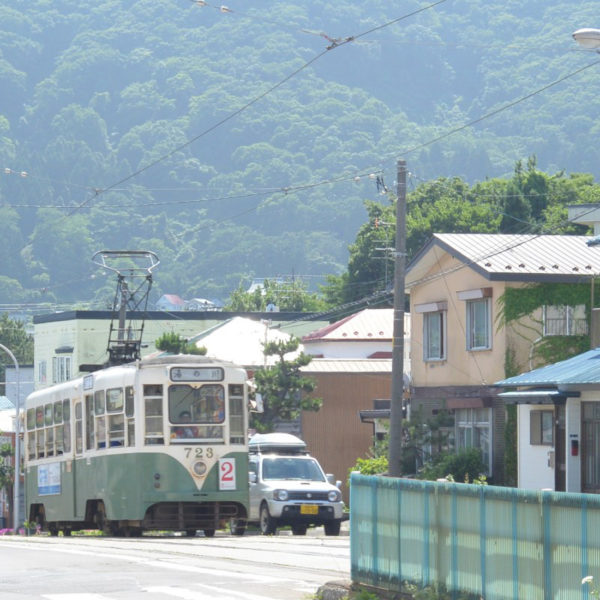
海に張り出した函館山に寄り添うように形成される旧市街地。路面電車、教会の鐘、船の汽笛、街の音や速度を感じながら、宿を拠点にこのまちの住民の感性豊かな暮らしを見つけに来てください。
SMALL TOWN HOTEL HakodateHOKKAIDO
ANSHINDO
北海道上川町
- 温泉
- 眺望がきれい
- 山のまち
- 郊外
- 体験
北海道の大屋根 “大雪山”のふもと上川町。小さな日常に自然と人の優しさが息づくまちで、「暮らすような旅」が待っています。
ANSHINDOHOKKAIDO
Kamikawa Town is located at the foot of Mount Daisetsu, the roof of Hokkaido. A "trip like living here" awaits you in this town where nature and the kindness of people are alive in everyday life.